

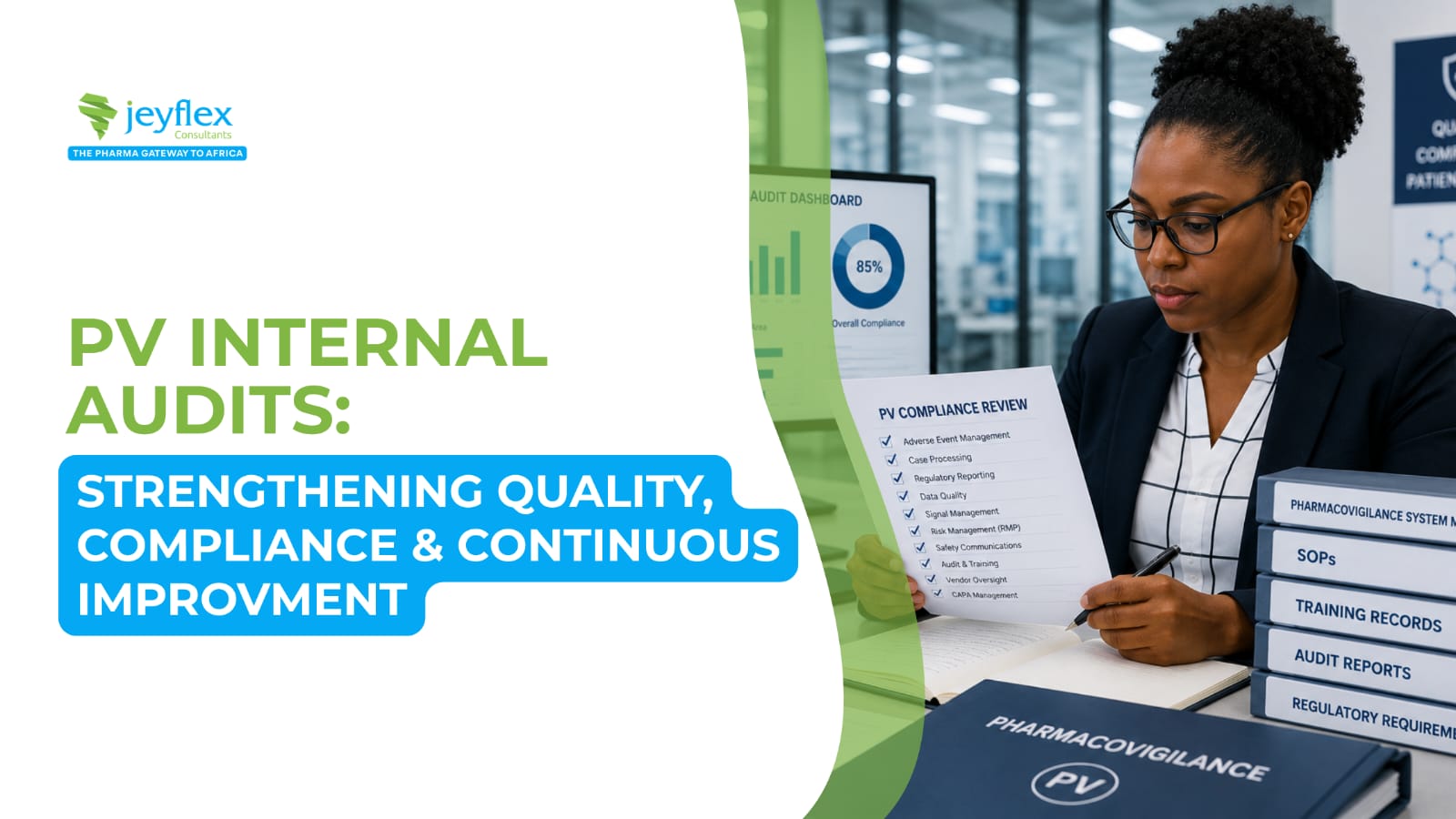
In pharmacovigilance (PV), quality is not just a regulatory expectation; it is the foundation of patient safety. Every adverse event report, safety assessment, and regulatory submission relies on a solid quality system that ensures accuracy, consistency, and compliance.
One of the most effective tools for evaluating and improving the quality of pharmacovigilance is the internal audit. Often referred to as Good Pharmacovigilance Practice (GVP) audits, these assessments help organizations identify weaknesses, strengthen controls, check compliance, and continuously improve their pharmacovigilance systems.
However, successful PV audits are not simply about finding gaps. When approached strategically, they become powerful instruments for enhancing quality, building trust, and ensuring inspection readiness.
Why Pharmacovigilance Internal Audits Matter
Pharmacovigilance internal audits are systematic, independent, and documented evaluations of a pharmacovigilance system. Their purpose is to determine whether PV activities are conducted in accordance with:
- Regulatory requirements
- Good Pharmacovigilance Practices (GVP)
- Internal procedures and SOPs
- Quality Management System (QMS) requirements
- Organizational quality objectives
Internal audits provide objective evidence that a PV system is functioning effectively and help organisations identify opportunities for improvement before regulators do.
A good PV audit contributes directly to:
- Enhanced patient safety
- Improved regulatory compliance
- Better process efficiency
- Increased inspection readiness
- Stronger quality culture
- Reduced compliance risks
Quality: The Heart of Every Pharmacovigilance Audit
The primary objective of pharmacovigilance is safeguarding patients. Any weakness in PV processes can potentially impact patient safety and regulatory compliance.
Weak pharmacovigilance systems can have serious implications, including:
- Delayed adverse event reporting
- Incomplete case documentation
- Missed safety signals
- Product restrictions or recalls
- Reputational damage
- Increased patient safety risks
Quality-focused audits help organizations identify these vulnerabilities early and implement corrective actions before they become significant compliance issues.
How to Master Pharmacovigilance Internal Audits
Pharmacovigilance audits are a central component of a functioning PV system. They not only help organizations meet regulatory expectations but also strengthen trust and cooperation with internal teams, partners and service providers.
The most successful audits are built on five key principles.
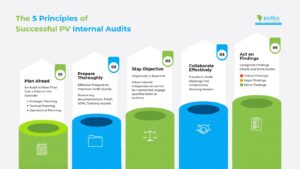
1. An Audit Is More Than Just a Date on the Calendar
One of the most common misconceptions is that an audit begins when the auditor arrives. In reality, successful audits start weeks, months, or even years before the audit itself.
An effective audit program should include three levels of planning:
Strategic Planning (2–5 Years)
Strategic planning focuses on long-term audit objectives and risk management. Questions to consider include:
- How will affiliate and partner risks be identified?
- What criteria will be used for risk assessment?
- How frequently should high-risk entities be audited?
Tactical Planning (Annual)
Annual planning helps determine:
- Which partners require audits this year
- Which areas present a higher risk
- Which areas need focused evaluation
Operational Planning
Operational planning addresses:
- Who will conduct the audit
- Audit timelines
- Scope and objectives
- Resources required
- Areas of focus
Best Practice: Document your audit planning methodology within an SOP and ensure that risk assessments are transparent, justified, and well documented.
2. Effective Preparation Improves Audit Quality
The quality of preparation heavily influences the quality of an audit.
Before conducting an audit, auditors should request and review key documentation, including:
- Pharmacovigilance System Master File (PSMF)
- PSMF annexes
- Quality Management Manual
- Pharmacovigilance agreements and contracts
- Organizational charts
- SOPs on the pharmacovigilance processes: ICSR, RMP, PBRERs /PSURs, safety communication, signal management, safety variations. Other important SOPs are SOPs on internal audits, training, Business continuity plans, management of subcontractors, CAPA & Deviation management SOPs, Documents and records management SOP
- Training records
- Qualifications of the QPPV or local PV contact person and backup QPPV
Conducting a structured document review before the audit helps auditors focus on critical areas and identify potential concerns early.
3. Objectivity Is Essential
One of the most important principles of auditing is independence.
According to GVP Module IV, auditors must be objective and independent from the activities they audit.
This can be challenging, especially in smaller organizations where key PV personnel may possess the most expertise.
For example:
A Qualified Person Responsible for Pharmacovigilance (QPPV) cannot objectively audit a process for which they are directly responsible.
Best Practice
When internal independence cannot be maintained, organizations should consider engaging qualified external auditors.
External auditors can provide:
- Independent assessments
- Specialized PV expertise
- Fresh perspectives
- Enhanced credibility during inspections
Objectivity must be maintained throughout the audit to ensure findings and conclusions are based solely on verifiable evidence. Audit results are derived from documented records, staff interviews, and observations, ensuring an unbiased and reliable assessment of compliance and process effectiveness.
Methodology
The audit is conducted using the following methods:
- Document Review: Examination of relevant policies, SOPs, records, reports, and other quality documents to verify compliance with internal and external requirements.
- Interviews: Discussions with relevant personnel to assess their understanding of processes, responsibilities, and quality requirements.
- Observations: Direct observation of activities and practices to confirm that processes were implemented as documented and operating effectively.
4. Transform Audit Meetings into Collaborative Working Sessions
Audits should not be viewed as fault-finding exercises.
The most productive audits create an environment of collaboration, transparency, and mutual respect.
A typical audit process may include:
Opening Meeting
Review:
- Audit objectives
- Audit criteria
- Scope
- Agenda
- Expectations
Company Presentation
Gain an understanding of:
- Organizational structure
- PV responsibilities
- System changes
- Business activities
Interviews and Evidence Review
Evaluate:
- SOP implementation
- Training records
- Case processing activities
- Quality controls
- CAPA records
Facility Inspection (Where Applicable)
Observe:
- Documentation management
- Archiving practices
- System access controls
- Operational processes
Closing Meeting
Present:
- Preliminary observations
- Areas of concern
- Positive practices
- Next steps
Best Practice
Maintain a structured approach while encouraging open discussion. Effective audits balance compliance checks with constructive dialogue.
5. Categorise Findings Clearly and Drive Action
Not all audit findings carry the same level of risk.
Proper classification helps organizations prioritize corrective actions effectively.
Critical Findings
These findings indicate serious deficiencies that may significantly impact patient safety, regulatory compliance, or the overall integrity of the PV system.
Examples include:
- Failure to report serious adverse events
- Absence of critical PV processes
- Systemic data integrity issues
Critical findings should be escalated immediately and reflected in the PSMF where required.
Major Findings
Major findings represent significant weaknesses that require prompt corrective action but may not immediately compromise the entire PV system.
Examples include:
- Repeated SOP deviations
- Inadequate training programs
- Significant documentation gaps
Minor Findings
Minor findings involve isolated deviations that present lower risk but still require correction.
Examples include:
- Minor documentation inconsistencies
- Administrative recordkeeping issues
Best Practice
Every finding should be linked to a CAPA (Corrective and Preventive Action) plan.
An audit should only be formally closed once:
- Root causes have been identified
- Corrective actions have been defined
- Preventive measures have been established
- Responsibilities and timelines have been assigned
Key Areas Evaluated During PV Internal Audits
A comprehensive pharmacovigilance audit typically assesses:
Adverse Event Management
- Case intake procedures
- Data quality
- Medical review processes
- Reporting timelines
- Follow-up activities
Signal Management
- Signal detection methodologies
- Documentation practices
- Escalation procedures
Training and Competency
- Initial training
- Continuous learning
- Competency assessments
SOP Management
- Document control
- Periodic reviews
- Staff adherence
Vendor Oversight
- PV agreements
- Vendor qualification
- Performance monitoring
CAPA Management
- Root cause investigations
- CAPA implementation
- Effectiveness verification
Documentation and Data Integrity
- Completeness
- Accuracy
- Traceability
- Record retention
Common Pharmacovigilance Internal Audit Findings
Organizations frequently encounter:
- Delayed case processing
- Incomplete safety documentation
- Missing training records
- Weak vendor oversight
- Ineffective CAPA implementation
- Inadequate reconciliation activities
- SOP non-compliance
- Poor document control
Addressing these issues proactively improves both quality and compliance.
Building a Quality Culture Through Auditing
The most mature organizations view audits as opportunities rather than obligations.
A strong audit culture promotes:
- Continuous improvement
- Transparency
- Accountability
- Learning and development
- Patient-centered decision-making
When employees understand that audits support improvement rather than blame, engagement increases and quality outcomes improve.
Conclusion
A successful pharmacovigilance audit is never the result of chance. It requires structured planning, thorough preparation, qualified and independent auditors, effective communication, and a commitment to quality improvement.
When implemented correctly, PV internal audits do far more than verify compliance. They help organizations strengthen their pharmacovigilance systems, improve operational effectiveness, build trust with stakeholders, and ultimately enhance patient safety.
In today’s evolving regulatory landscape, organizations that invest in robust audit programs are better positioned to maintain compliance, achieve inspection readiness, and demonstrate a culture of quality excellence.
Strengthen Your Pharmacovigilance System with Expert Audit Support
Is your organization prepared for its next regulatory inspection?
At Jeyflex Consultants Ltd., we provide expert pharmacovigilance auditing and quality assurance services designed to help pharmaceutical companies, Marketing Authorization Holders (MAHs), local representatives, and PV service providers achieve compliance excellence.
Don’t wait for an inspection finding to reveal weaknesses in your PV system.
Partner with Jeyflex to identify risks, strengthen compliance, and build a quality-driven pharmacovigilance system that protects patients and supports business success.
Contact us today to schedule your Pharmacovigilance Internal Audit and take the next step toward inspection readiness and quality excellence.
Article by: Marraret Ouma