

In pharmacovigilance, a safety signal missed in the literature today can become a regulatory finding tomorrow. Jeyflex provides structured, audit-ready literature screening and monitoring services — covering global databases and regional African publications — so your company stays compliant, inspection-ready, and ahead of patient safety risks across every market you operate in.
Vigilance Through Continuous Literature Surveillance for Drug Safety Compliance
Pharmacovigilance Literature Screening & Monitoring Services in Africa
Why Pharmacovigilance Literature Screening Cannot Be Occasional
Published scientific literature remains one of the earliest sources of adverse drug reaction (ADR) information — often surfacing safety signals months before they appear in spontaneous reporting databases. Regulatory authorities, including Kenya’s PPB, Uganda’s NDA, and global agencies such as the EMA, expect continuous, systematic monitoring rather than periodic reviews.
Without a structured literature surveillance programme, your company risks:
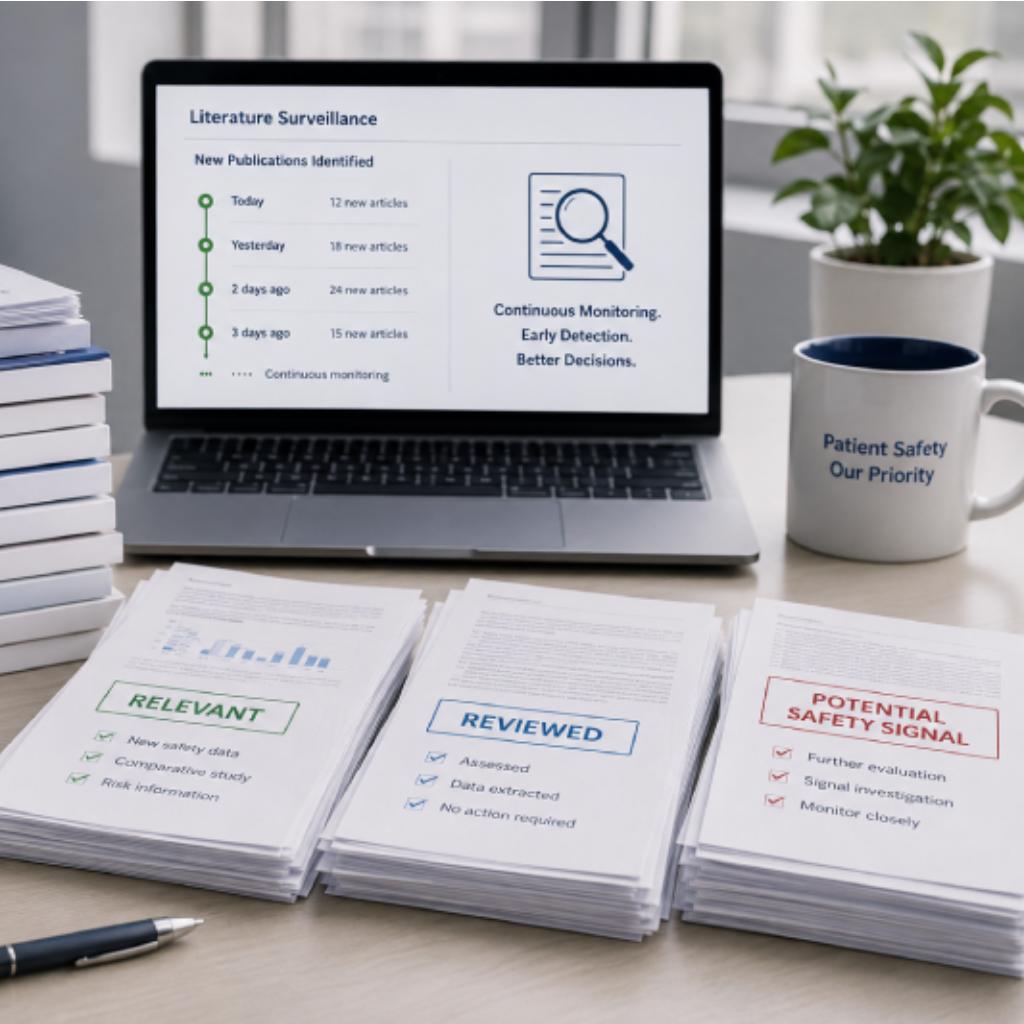
Jeyflex ensures no relevant safety information is missed — across international databases and East African regional sources.
Our Literature Monitoring Approach
We follow a systematic, regulator-aligned, and fully documented process for pharmacovigilance literature surveillance — designed to be audit-ready at every stage.
01
Structured Literature Search Strategy
We design validated search strings tailored to your specific product, active ingredient, and therapeutic class — ensuring searches are reproducible, documented, and aligned with regulatory expectations.
02
Continuous Global & Local Monitoring
We screen across two layers simultaneously — major international databases including PubMed, Embase, and WHO drug safety publications, alongside African regional medical journals and national regulatory authority bulletins across Kenya, Uganda, Tanzania, Rwanda, and Ethiopia.
03
Safety Data Extraction & Review
Our team identifies and extracts ADRs and suspected safety signals, off-label use safety information, drug-drug interaction reports, and special population safety signals including paediatric and pregnancy-related findings.
04
Signal Identification & Assessment
All potential safety signals identified from the literature are assessed for causality and clinical relevance, whether they represent new, unexpected, or increased-frequency findings, and regulatory reporting requirements under applicable guidelines.
05
Regulatory Reporting Support
We prepare structured, submission-ready outputs aligned with African NRA requirements, EMA GVP Module VI, ICH pharmacovigilance guidelines, and PSUR and PBRER documentation standards.
Global + Local Literature Surveillance Coverage
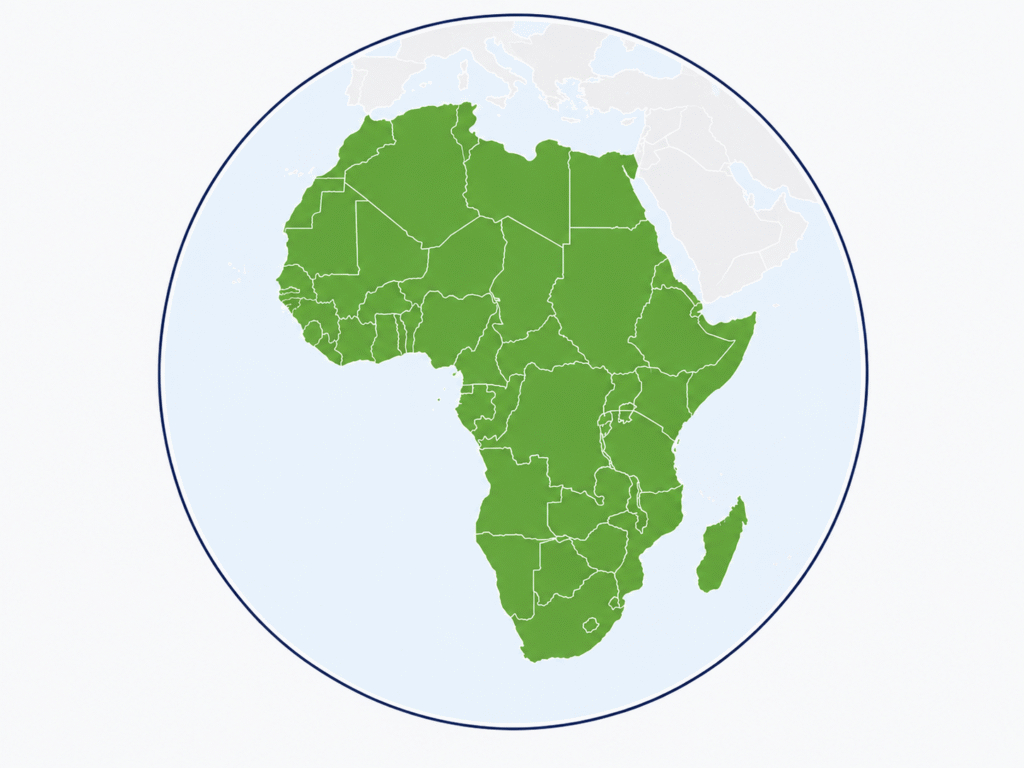
Most providers cover global databases. Jeyflex goes further — integrating dedicated East African literature surveillance to ensure comprehensive pharmacovigilance coverage.
Our surveillance covers:
This dual-layer approach ensures no local safety signals are missed — including those that appear in African publications long before they reach global databases.
Why Companies Choose Jeyflex for Literature Screening
What Our Literature Screening Service Includes
Every literature monitoring engagement with Jeyflex covers:
The Regulatory Risk of No Structured Literature Monitoring
Companies without a systematic literature surveillance programme face increasing regulatory risk:
Continuous literature screening is not optional; it is a regulatory expectation under GVP Module VI and the equivalent requirements of African NRAs.
Frequently Asked Questions
Local journals and regional publications across Africa often contain safety information that does not appear in global databases like PubMed or Embase — including ADR case reports, regulatory authority communications, and post-market observations from African patient populations. Without local monitoring, this information is invisible to your PV system. Jeyflex specifically covers East African regional sources to ensure nothing is missed.
Global literature monitoring covers major international databases and widely indexed peer-reviewed journals — PubMed, Embase, WHO drug safety publications, and equivalent sources. Local literature monitoring focuses on region-specific medical journals, national regulatory authority bulletins, and grey literature that are not consistently indexed in global databases. Both layers are required for complete and compliant pharmacovigilance surveillance, and Jeyflex provides both simultaneously.
The required frequency depends on your product’s risk profile and the regulatory framework of your target markets. Most regulatory frameworks, including EMA GVP Module VI, expect continuous or, at a minimum, monthly screening. Higher-risk products or those in active post-market surveillance may require weekly monitoring. Jeyflex designs the monitoring frequency to match your specific product and regulatory requirements.
Yes. Every literature monitoring engagement includes structured, audit-ready outputs that document the databases searched, the search strings used, the date ranges covered, and the results obtained — formatted for direct inclusion in your PSURs, PBRERs, and inspection-ready documentation.
We screen major international databases including PubMed and Embase, alongside African regional medical journals, national regulatory authority publications, and grey literature relevant to your product markets across Kenya, Uganda, Tanzania, Rwanda, and Ethiopia. The exact source list is tailored to your product portfolio and therapeutic area.
At Jeyflex, literature monitoring is not a standalone activity. Findings feed directly into the signal detection and management process — so a signal identified in the literature is assessed for causality, evaluated for clinical significance, and actioned through the appropriate regulatory reporting pathway, rather than sitting in an unreviewed report.
Ready to Strengthen Your Literature Surveillance?
Whether you need a full ongoing literature monitoring programme or a review of your current surveillance setup, Jeyflex is ready to help.